Skip to content
Kindly call to confirm availability and lead time before visiting showroom.

For caregivers, Activities of Daily Living are not just daily routines. They are the moments where your loved one’s independence, dignity, safety, comfort, and quality of life are seen most clearly.

As occupational therapists, they often work with older adults, stroke survivors, people with Parkinson’s disease, individuals with arthritis, post-operative patients, and those living with progressive neurological conditions. Although every person is different, caregivers often ask the same important question:

How can I help my loved one continue daily activities safely, comfortably, and as independently as possible?

This is where adaptive equipment and assistive gadgets can make a meaningful difference.

Adaptive equipment is not about replacing care or making someone dependent on gadgets. Instead, the right equipment can help reduce effort, support weak or painful joints, improve safety, prevent falls, and allow the person to take part in their own daily routines with more confidence.

For caregivers, these tools can also reduce physical strain, make care tasks easier, and lower the risk of injury for both the caregiver and the person receiving care.

In Malaysia, caregivers now have access to many practical and quality adaptive products through iElder, a senior care and rehabilitation product provider offering items such as bathroom safety equipment, mobility aids, transfer equipment, living aids, adaptive clothing, dining aids, personal health products, and home-care equipment.

From an occupational therapy perspective, choosing the right product should always begin with the person’s actual daily challenges. A gadget is most helpful when it matches the person’s ability, home environment, routine, and safety needs.

This guide explores six important Activities of Daily Living and how caregivers can better understand when adaptive equipment may help their loved one remain safer, more comfortable, and more independent at home.


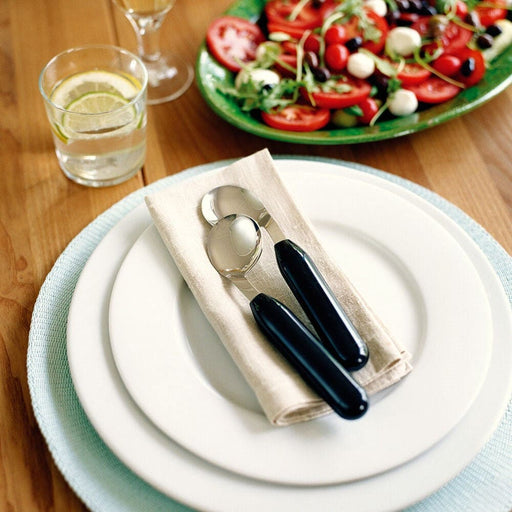
Eating: Supporting Safe, Dignified, and Independent Feeding

Eating is one of the most personal ADLs. It affects nutrition, social participation, culture, routine, and self-esteem. When a client struggles to eat independently, it can lead to frustration, reduced intake, embarrassment, and increased caregiver dependence.

Common client difficulties

Occupational therapists may observe:

  • Weak grip
  • Hand tremors
  • Poor coordination
  • One-handed function after stroke
  • Reduced shoulder or elbow control
  • Fatigue during meals
  • Difficulty scooping food
  • Food spilling from the plate
  • Difficulty holding cups or utensils
  • Reduced sitting balance

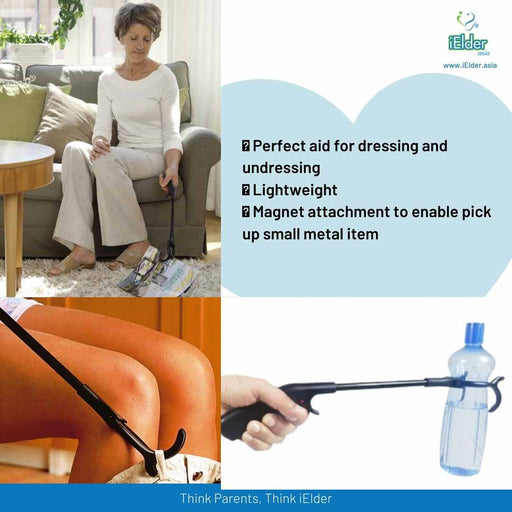
Dressing: Promoting Independence While Respecting Energy and Joint Protection

Dressing requires balance, flexibility, fine motor skills, sequencing, body awareness, and endurance. For many clients, dressing becomes difficult not because they cannot move at all, but because the task requires too many small movements in combination.

Common client difficulties

Clients may struggle with:

  • Buttoning shirts
  • Pulling up pants
  • Wearing socks
  • Reaching feet
  • Managing bras
  • Fastening zippers
  • Putting on shoes
  • Dressing one-handed
  • Maintaining balance while standing
  • Dressing after hip or knee surgery

Transferring: Making Movement Safer for Clients and Caregivers

Transfers are central to independence. Bed to chair, chair to toilet, wheelchair to car, and sit-to-stand transfers all affect whether a client can participate safely in daily life.

Poor transfer safety also increases caregiver strain and risk of injury.

Common client difficulties

Clients may experience:

  • Weak legs
  • Poor trunk control
  • Fear of falling
  • Poor weight shifting
  • Difficulty standing from low surfaces
  • Poor hand placement
  • Unsafe wheelchair setup
  • Caregiver lifting strain
  • Reduced endurance
  • Cognitive impulsivity

Ramp & Transfer

View All

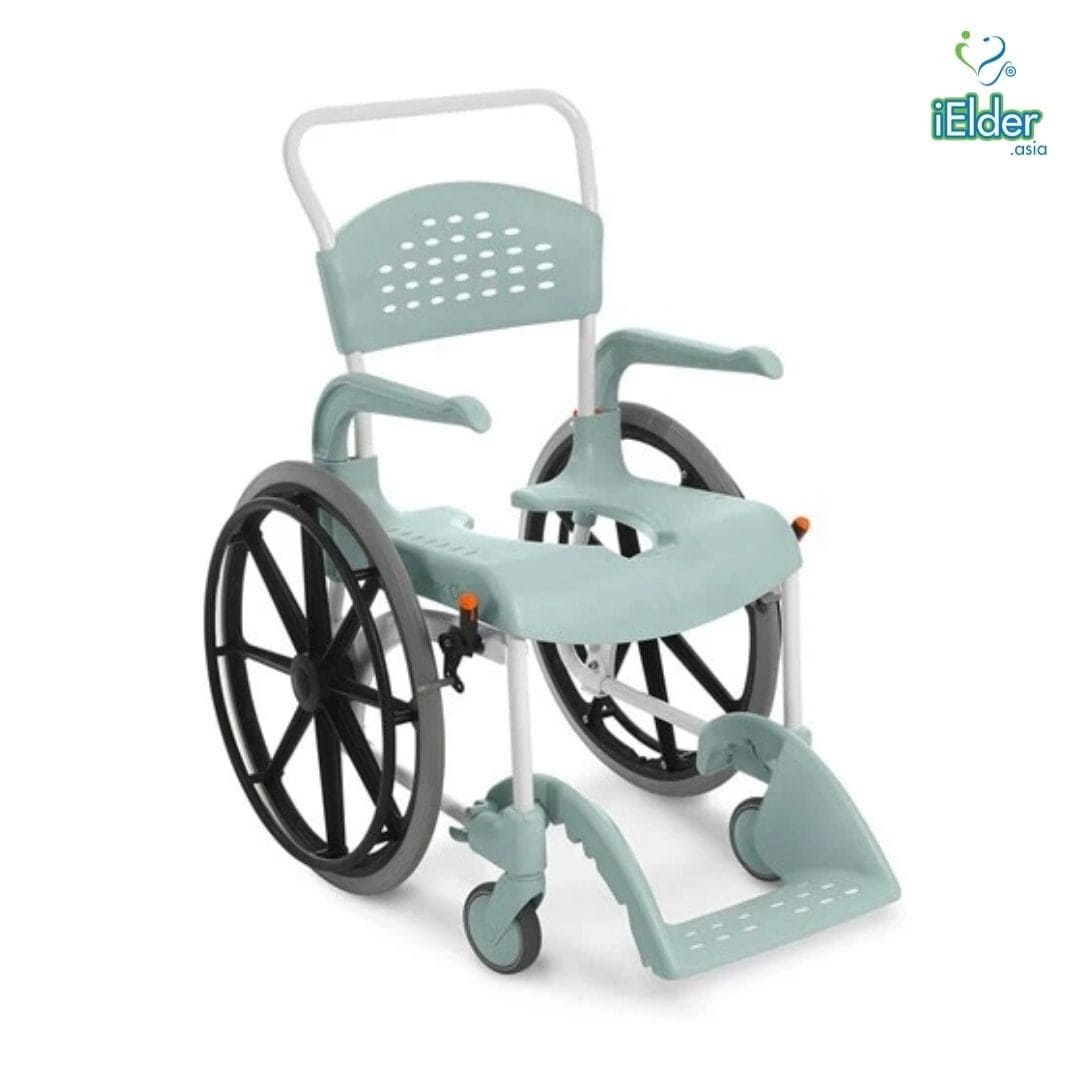
Bathing & Toileting: Supporting Privacy, Safety, and Continence Management

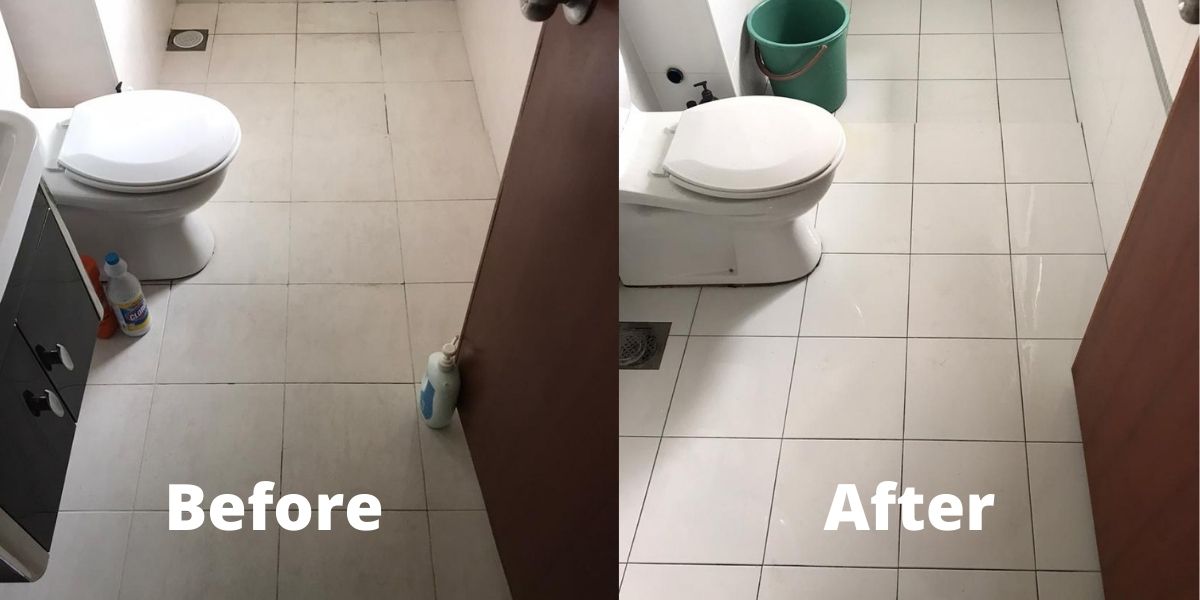
Bathing is one of the highest-risk ADLs because it combines water, slippery surfaces, transfers, standing balance, bending, reaching, and privacy needs. Many clients can manage walking in a dry living room but become unsafe in the bathroom.

Toileting is closely linked to dignity. Many clients are reluctant to discuss toileting problems, yet toileting difficulty is one of the main reasons families seek equipment, caregiver help, or home modifications.

Common client difficulties

Occupational therapists may observe:

  • Difficulty reaching the toilet in time
  • Low toilet height
  • Poor sit-to-stand ability
  • Difficulty cleaning after toileting
  • Night-time falls
  • Urinary urgency
  • Incontinence
  • Poor balance during clothing management
  • Limited hand function
  • Caregiver difficulty assisting safely

Bathroom & Incontinence

View All

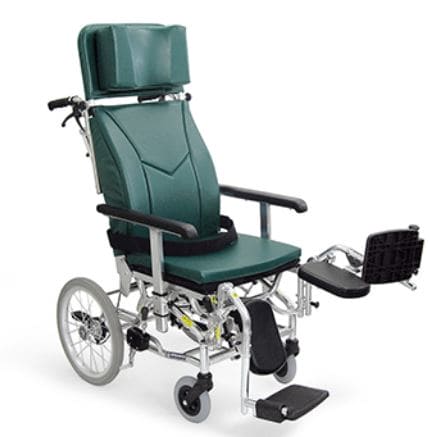
Walking or Moving Around: Enabling Mobility With the Right Level of Support

Mobility affects almost every ADL. If a client cannot move safely, eating, toileting, bathing, dressing, and community participation all become more difficult.

The goal is not simply to provide a walking aid. The goal is to match the aid to the client’s balance, strength, cognition, environment, and functional goals.

Common client difficulties

Clients may present with:

  • Poor balance
  • Weak legs
  • Slow gait
  • Fear of falling
  • Reduced endurance
  • Pain
  • Poor posture
  • Unsafe furniture walking
  • Difficulty turning
  • Difficulty climbing stairs
  • Wheelchair dependence

Recommended adaptive gadgets

View All

Other useful gadgets

memory support, fall prevention, reaching items safely, supervision, and emergency response.

Why Choose iElder When Cheaper Options Are Available?

Many caregivers ask a very practical question:

“Why should I buy from iElder when I can find similar products cheaper on other marketplaces?”

This is a fair question. Caring for an elderly parent, spouse, or patient can already be financially stressful. Families naturally want to compare prices and look for affordable options.

However, when it comes to elderly care, rehabilitation, mobility, bathroom safety, dementia support, and adaptive equipment, the cheapest product is not always the safest or most suitable choice.

For caregivers, the real question is not only:

“How much does this product cost?”

The better question is:

“Will this product safely support my loved one’s daily function, comfort, and independence?”

At iElder, our focus is not simply to sell products. Our goal is to provide quality adaptive equipment that caregivers, healthcare professionals, and older adults can trust.